Health and Safety Policy for Man With Van Chalk Farm
 Man With Van Chalk Farm is committed to maintaining a safe, organised, and responsible working environment for every moving job. This health and safety policy sets out the standards we follow to protect staff, customers, property, and the public during removals, deliveries, and transport activities. Our approach is based on careful planning, safe working methods, and ongoing attention to risk reduction.
The nature of van-based moving work involves lifting, carrying, loading, unloading, and travelling on public roads. Because of this, health and safety is not treated as a separate task; it is built into every stage of the service. We expect all team members to act with care, report hazards promptly, and follow the controls put in place to reduce avoidable injury or damage.
 This policy applies to all workers, subcontractors, and anyone acting on behalf of our man with van service. It also informs the way we work in homes, businesses, storage sites, and shared access areas. Where conditions change, we adapt our methods to keep the job safe, efficient, and suitable for the situation.
Risk assessment is a central part of our working process. Before each move, we consider the load size, access route, weather, parking conditions, staircase layout, lifting demands, and any fragile or awkward items. By identifying hazards early, we can decide whether extra equipment, more staff, or a different loading plan is needed.
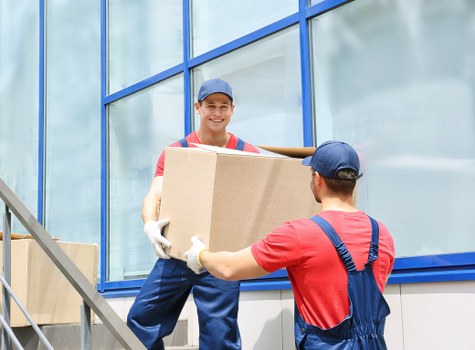
Manual handling is one of the most important concerns in any man with van Chalk Farm operation. Heavy or bulky items can cause strain, slips, and impact injuries if handled incorrectly. We reduce these risks by using good lifting techniques, planning team lifts where required, keeping pathways clear, and making sure loads are balanced and secure inside the vehicle.
Our vehicles are maintained to a high standard to support safe operations.  Checks include tyre condition, lights, brakes, fluid levels, mirrors, and load restraint equipment. Drivers are expected to conduct basic inspections before use and to stop work if a vehicle is not fit for the road or if any fault could affect safe transport.
Safe loading and unloading are essential to protecting both people and possessions. Items must be stacked securely, tied down where appropriate, and positioned so they do not shift during transit. We avoid overloading vans, maintain suitable weight distribution, and take care when handling long, sharp, or unstable items. Protective equipment may be used when necessary to reduce risk and support safe handling.
The working environment must also remain clear and orderly. Floors, stairs, entranceways, and vehicle loading areas should be kept free from obstacles wherever possible. Spills, broken packaging, loose cords, and poor lighting can all create hazards, so these are addressed as soon as they are noticed. Where conditions are unsafe, work may be paused until the problem has been controlled.
Communication is vital throughout every job. Team members must understand the plan, know who is responsible for each stage, and raise concerns immediately if a task becomes unsafe. Customers may be asked to remove personal obstacles, secure pets, or identify items requiring extra care. Clear communication helps reduce confusion and supports a safer moving experience for everyone involved.
We also place importance on vehicle road safety. Drivers must be fit to drive, alert, and compliant with relevant traffic laws and safe driving practices. Speed, fatigue, distraction, and poor parking choices can all increase risk, so journeys are planned with care and driven responsibly. Breaks are taken when needed to reduce tiredness and maintain concentration.
Training and competence are part of our commitment to reliable safety standards. Staff are expected to understand safe lifting, load securing, hazard awareness, emergency actions, and correct use of equipment. If new risks appear or work methods change, training and instruction are updated so the team remains prepared and confident. 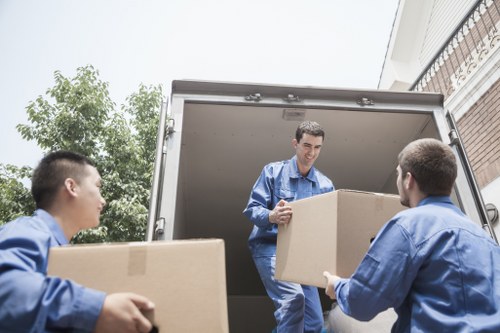 We believe that well-informed workers are essential to a safe man with van service.
Accidents, incidents, and near misses must be reported and recorded so we can learn from them and improve our controls. Even small events can reveal patterns that need attention. Where necessary, we review procedures, update assessments, or introduce additional protective steps to prevent a repeat occurrence.
 Personal protective measures may be used depending on the job. These can include gloves, suitable footwear, high-visibility clothing, or other practical items that help reduce injury and improve visibility. While equipment alone does not remove risk, it supports a safer working environment when combined with careful behaviour and sound planning.
We also recognise the importance of wellbeing. Moving work can be physically demanding, so we aim to manage workload responsibly and encourage sensible pacing during busy operations. Workers should not be pressured into unsafe lifting, rushing, or ignoring discomfort. A safe moving company is one that values both performance and the people delivering it.
This policy is reviewed regularly to remain effective, relevant, and aligned with the way our operations develop. Continuous improvement is part of our approach, and we aim to maintain high standards across every van move, delivery, and collection. By following these principles, Man With Van Chalk Farm supports safe, dependable, and professional service delivery.