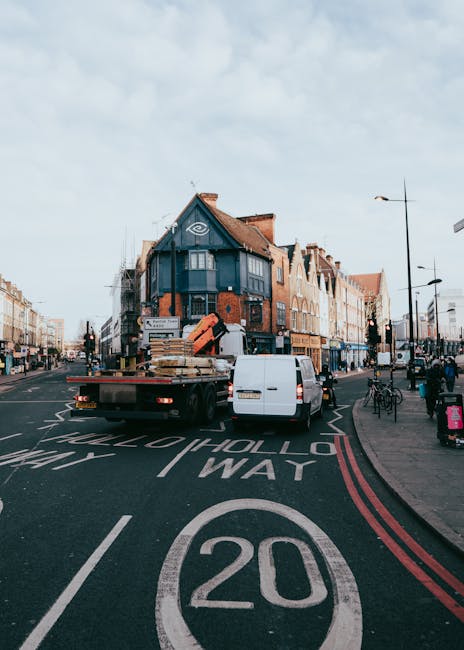
Understanding Insurance Requirements for Chalk Farm Moves
Moving house or office in Chalk Farm can feel deceptively simple right up until something gets scratched, dropped, delayed, or disputed. That is where Understanding Insurance Requirements for Chalk Farm Moves becomes less of a box-ticking exercise and more of a very practical safeguard. If you are arranging a local move, comparing movers, or simply trying to work out what protection you actually need, this guide breaks it down in plain English.
We will look at what moving insurance normally covers, what it does not, how to check the paperwork, and how to avoid the sort of stressful gap that only shows up after the van doors close. To be fair, most people do not think about insurance until they absolutely have to. Better to sort it now, while the kettle is still on and the boxes are only half-labelled.
For broader company information and service details, you may also find the site's insurance and safety guidance, health and safety policy, and terms and conditions useful alongside this article.
Table of Contents
- Why Understanding Insurance Requirements for Chalk Farm Moves Matters
- How Understanding Insurance Requirements for Chalk Farm Moves Works
- Key Benefits and Practical Advantages
- Who This Is For and When It Makes Sense
- Step-by-Step Guidance
- Expert Tips for Better Results
- Common Mistakes to Avoid
- Tools, Resources and Recommendations
- Law, Compliance, Standards, or Best Practice
- Options, Methods, or Comparison Table
- Case Study or Real-World Example
- Practical Checklist
- Conclusion
- Frequently Asked Questions
Why Understanding Insurance Requirements for Chalk Farm Moves Matters
Insurance matters because moving is one of those everyday tasks where small incidents can become expensive very quickly. A wobble on a narrow staircase, a tight corner in a Victorian terrace, rain on a loading bay, a vase packed a bit too loosely - that is all it takes. Chalk Farm has its own moving quirks too: busy roads, parking pressure, shared entrances, and homes or offices with awkward access. None of that is unusual, but it does mean the cover behind your move deserves proper attention.
When insurance is clear, you know where responsibility sits if something goes wrong. That reduces arguments, speeds up claims, and helps you compare providers with a cooler head. Without that clarity, people often assume they are covered for everything, only to discover there is a limit, an exclusion, or a condition they did not notice.
It is not only about valuables either. Insurance can also help with confidence. People relax a bit when they know the move has been planned properly. You can hear it in the tone of the day - fewer sharp questions, less last-minute panic, and a lot less standing in the hallway wondering whether the sofa will fit. Who needs extra stress on moving day?
If you are arranging a larger relocation, the same logic applies whether you are booking house removals, a smaller man and van job, or a more involved commercial move. Different jobs carry different risks, but the need to understand cover never really goes away.
How Understanding Insurance Requirements for Chalk Farm Moves Works
Moving insurance is best understood as a few overlapping layers rather than one magical policy that protects everything. The first layer is usually the mover's own liability cover, which deals with certain kinds of loss or damage while your belongings are in their care. The second layer may involve additional cover options, depending on the service and the value of the items being moved. The third layer is your own home contents insurance, which sometimes helps with parts of the move, but not always in the way people expect.
In practice, the process usually looks something like this:
- The mover explains what insurance or liability cover is included.
- You list any high-value, fragile, awkward, or irreplaceable items.
- The provider explains any exclusions, limits, or conditions.
- You decide whether the included cover is enough or whether extra protection is sensible.
- Both sides keep written confirmation, because memories are lovely but paperwork wins disputes.
The important thing is not to confuse "insured" with "fully protected against every possible outcome." Those are very different statements. A provider might be insured for vehicle incidents, public liability, or goods in transit, but each policy has its own scope. Some policies cover accidental damage only. Some exclude pre-existing damage. Some place strict duties on packing, access, or the declaration of valuables.
For a smoother process, it helps to check the mover's wider operating standards too. The pages on removal services, movers, and removal company explain the kind of professional service structure that usually sits behind the insurance discussion.
One small but useful clarification: insurance and safety are related, but not identical. A well-run move should reduce the chance of damage in the first place through careful handling, proper loading, and sensible route planning. That is why good movers talk about insurance and safe practice together rather than treating them as separate sales points.
Key Benefits and Practical Advantages
Getting the insurance side right gives you more than a warm feeling. It gives you leverage, clarity, and a cleaner decision-making process.
- Better risk control: You know what is covered before the first box is lifted.
- Fewer disputes: Clear terms reduce the "I thought that was included" problem.
- More confident packing: You can decide where extra wrapping or specialist handling is sensible.
- Smarter comparisons: You can compare providers on value, not just price.
- Peace of mind for fragile items: Glassware, artwork, monitors, and antiques are handled with a clearer plan.
There is also a practical business advantage. If you are moving a flat, a family home, or an office, insurance clarity helps you plan timing and responsibility. For example, office teams often need to know what happens if a laptop box is damaged, or if a desk gets scuffed while being manoeuvred through a tight entrance. That is not paranoia. That is just sensible planning, really.
And for home movers, especially in a place like Chalk Farm where older buildings may have narrow stairs or shared access, a little insurance clarity can save a lot of awkwardness later. It turns an unknown into a known. That alone is worth quite a lot.
Who This Is For and When It Makes Sense
Almost anyone arranging a move can benefit from understanding insurance requirements, but some people need to be more careful than others.
- Homeowners and renters: especially if furniture, electronics, or sentimental items are involved.
- Families moving in busy periods: school holidays, weekends, and month-end moves often feel rushed.
- Office managers: the cost of one damaged workstation or server setup can quickly add up.
- Landlords and property investors: there may be furniture, appliances, or tenant-related logistics to consider.
- People using a smaller van service: cover still matters, even when the job looks straightforward.
- Anyone with high-value items: instruments, art, specialist equipment, or heirlooms deserve extra attention.
If you are booking a simple single-item collection, the insurance conversation may be short. If you are organising a full property move, it should be more detailed. That difference matters. A quick furniture pick up is not the same as a full home move, and the level of cover should reflect that.
There is also a timing issue. If you leave insurance checks until the moving van is already outside, you lose leverage and time. It is much easier to ask about cover when you are comparing quotes than when the boxes are already stacked in the hallway. Fairly obvious, but people still do it.
Step-by-Step Guidance
Here is a practical way to handle the insurance side without overcomplicating things.
1. Ask what cover is included
Start with the basics. Is goods-in-transit cover included? Is public liability included? Does the service include cover for loading and unloading, or only while driving? Ask for plain-language answers rather than vague reassurance.
2. Check the limits
Every policy has limits. That might be a per-item limit, a total move limit, or exclusions for certain item types. If your sofa, bike, laptop, or dining table is worth more than the limit, you need to know that now, not later.
3. List unusual items early
Tell the mover about anything fragile, oversized, or hard to replace. The more specific you are, the easier it is to plan sensible protection. A mirror is not just "a box". A piano is not just "heavy". The more detail you give, the better the advice should be.
4. Ask how packing affects cover
Some policies assume items are packed properly. If something is badly wrapped, not boxed well, or left loose, a claim can become difficult. That is why many people choose packing and unpacking services for delicate or time-sensitive moves.
5. Get written confirmation
Email is fine. A quote document is fine. A written policy summary is better. The point is to have something you can refer back to if needed. Moving day has enough chaos without relying on "I'm pretty sure they said..."
6. Check your own contents insurance
Sometimes your home contents insurer may offer temporary cover during a move, or they may require notification. Do not assume either way. A quick call can prevent a very annoying surprise.
7. Compare the full package, not just the premium
A cheap move with weak cover can be a poor deal. A slightly higher quote with clearer protection and better handling can be the smarter choice. Price matters, of course, but so does the fine print.
Expert Tips for Better Results
In our experience, the best moving outcomes usually come from clear communication rather than heroic last-minute effort. A few practical habits make a real difference.
- Photograph valuable items before the move. It gives you a simple record of condition.
- Keep serial numbers and purchase records handy for electronics or high-value goods.
- Separate essentials from the main load. Passports, jewellery, documents, and medications should travel with you.
- Use stronger packing for awkward items. One extra layer of protection can be worth it.
- Label boxes clearly. Not glamorous, but very effective.
- Measure access points. If something needs to go through a narrow doorway, say so early.
Another tip that people often miss: ask whether the mover's insurance expectations change if you are using a van on a tight street, a shared entrance, or a building with limited parking. In Chalk Farm, that sort of thing is not unusual. It is just part of the day. A mover who is used to local access challenges should be able to explain how they manage them.
If you want to compare service levels beyond insurance alone, it helps to look at the broader offering too. For example, a team providing man with van support may suit smaller, quicker jobs, while a larger setup might be more appropriate for a whole flat or multi-room property.
And one more thing: do not be shy about asking what happens in a worst-case scenario. Not because you expect trouble, but because the answer tells you a lot about the provider's professionalism. A good company will not mind the question at all.
Common Mistakes to Avoid
Most insurance problems come from assumptions. Honest ones, usually. But still assumptions.
- Assuming all moves are covered the same way: they are not.
- Ignoring item limits: one valuable item can exceed the policy cap.
- Not declaring special items: if the mover does not know, they cannot plan properly.
- Skipping written proof: verbal promises are hard to rely on later.
- Forgetting to check access conditions: stairwells, lifts, and parking all matter.
- Confusing business insurance with moving insurance: they may overlap, but they are not the same thing.
- Leaving valuables in the load without thought: some items are better kept with you.
A common one, and it happens all the time, is assuming the mover will automatically cover every item in every circumstance. Truth be told, most decent providers are careful rather than magical. They can help a great deal, but only if the move is set up properly from the start.
Another mistake is choosing a mover only because the quote looks attractive. The better question is: what exactly does that quote include, and what would happen if something went wrong? That is the kind of question that saves headaches.
Tools, Resources and Recommendations
You do not need specialist software to manage moving insurance well, but a few simple tools help a lot.
- Inventory list: use a spreadsheet, notes app, or even a handwritten checklist.
- Photos and videos: record item condition before packing, especially for high-value goods.
- Measurement notes: jot down widths, heights, and access restrictions.
- Quote comparison sheet: compare cover, exclusions, and service details side by side.
- Policy summary file: keep quote emails and documents together in one place.
For service planning, a few company pages are worth reviewing alongside the insurance discussion. The details on pricing and quotes can help you compare what you are paying for, while removals near me is useful if you are weighing local service convenience against other factors. If your move is larger, the pages on office removals and house removals are also relevant.
My practical recommendation? Keep your insurance notes alongside the moving plan itself. Not in a separate email thread you will lose later. One folder, one process, one place to check on the morning of the move. Simple, and surprisingly effective.
Law, Compliance, Standards, or Best Practice
Moving insurance in the UK is best approached through careful reading of contract terms, company policies, and the general duty to handle goods and property responsibly. This article is not legal advice, and it would be unwise to treat any move as risk-free. The exact legal position can depend on the service contract, the type of items moved, the way they were packed, and the specific circumstances of a loss or damage claim.
From a best-practice point of view, reputable movers should be clear about:
- what their insurance or liability cover includes
- what exclusions apply
- how claims should be reported
- what evidence may be needed
- whether customers need to declare high-value or unusual items in advance
Good practice also means aligning the insurance conversation with safety planning. For example, if a provider explains their approach in the insurance and safety section and the health and safety policy, that is usually a sign they take the subject seriously. You should still read the detail yourself, of course. But that transparency is reassuring.
In a Chalk Farm setting, best practice often includes access planning, careful handling in shared spaces, and realistic scheduling. A rushed move is where avoidable incidents creep in. Not always, but often enough to matter.
Options, Methods, or Comparison Table
When people ask about insurance, they are often really asking: "What level of protection do I actually need for my move?" The answer depends on value, complexity, and risk tolerance. Here is a straightforward comparison.
| Option | Best for | What it usually offers | Things to watch |
|---|---|---|---|
| Basic mover cover | Small, low-value, straightforward moves | Standard liability or transit protection for included services | May have low limits or exclusions for fragile items |
| Enhanced mover cover | Full house moves, more fragile belongings, and busier access | Broader protection and clearer claims handling | May still require proper packing and declarations |
| Your own contents insurance | People who already have a policy and want to check temporary cover | Potential overlap for certain move-related risks | Need to confirm exactly what is covered during transit |
| Specialist extra cover | High-value, antique, or specialist items | Item-specific protection where standard policies may not be enough | May need advance declaration and supporting evidence |
The table is not about picking the fanciest option. It is about matching the cover to the actual job. A one-bedroom flat move with a few boxes is not the same as moving fragile stock or an office full of monitors. Different problem, different protection.
Case Study or Real-World Example
Let us take a realistic example. A couple in Chalk Farm is moving from a second-floor flat into a terrace house nearby. They have a sofa, a large mirror, two televisions, several boxes of kitchenware, and a few framed prints. Nothing wildly unusual. But the stairwell at the new place is narrow, the street is busy, and the move has to happen on a Friday morning. Very typical, actually.
They ask the mover about insurance before booking. The mover explains the included goods-in-transit protection, confirms the process for fragile items, and asks for any high-value belongings to be listed in advance. The couple also decides to use stronger packaging for the mirror and screens and keeps the framed prints with them in the car. Smart move.
On the day, one box is squeezed a little tightly while loading. No damage occurs, because the team had planned the route, checked the access, and packed the items with enough padding. If something had gone wrong, both sides would already have the same written understanding of what was covered. That is the real value here: not drama, but clarity.
Now compare that with a different scenario. A customer books a cheap van service, assumes everything is automatically covered, and does not mention a high-value monitor setup. If an issue arises, the claim process becomes messier, slower, and more frustrating for everyone involved. It is exactly the sort of avoidable problem that makes people swear at cardboard for the rest of the week.
Practical Checklist
Use this before you confirm any Chalk Farm move.
- Have I asked what insurance or liability cover is included?
- Do I understand the limits per item and per move?
- Have I listed fragile, oversized, or high-value items?
- Do I know whether packing affects cover?
- Have I checked my own contents insurance for move-day cover?
- Do I have written confirmation of the key terms?
- Have I measured access points, stairs, lifts, and parking?
- Have I separated valuables and essentials to travel with me?
- Have I compared service quality as well as price?
- Do I know how to report a problem if damage occurs?
Expert summary: the safest approach is simple: confirm the cover, understand the limits, document your items, and keep everything in writing. That combination solves most moving-insurance headaches before they start.
Conclusion
Understanding insurance requirements for Chalk Farm moves is really about staying in control. The move itself may involve traffic, tight access, fragile items, and a bit of unavoidable pressure, but the insurance side does not have to be confusing. Once you know what is covered, what is excluded, and what you need to declare, the whole process feels much more manageable.
That confidence matters. It helps you choose the right mover, pack more sensibly, and avoid the kind of last-minute panic that makes people overcomplicate everything. A clear move is usually a calmer move, and a calmer move tends to go better. Simple as that.
Get a free quote today and see how much you can save.
If you are still comparing options, review the company's broader service information, then make sure the insurance conversation is part of the booking, not an afterthought. That small bit of care can save a lot of trouble later, and honestly, it is worth the five extra minutes.
Frequently Asked Questions
What does moving insurance usually cover in a Chalk Farm move?
It usually covers certain types of accidental loss or damage while belongings are being transported or handled, but the exact scope depends on the provider and policy terms. Always check the limits and exclusions rather than assuming full protection.
Is my home contents insurance enough for a house move?
Sometimes it is, sometimes it is not. Some contents policies include temporary move cover, while others require notice or have conditions. You should confirm this directly with your insurer before moving day.
Do I need extra cover for fragile items?
If you are moving glass, artwork, instruments, or expensive electronics, extra cover or clearer item-by-item protection may be sensible. Fragile items are exactly where standard cover can become limited.
What is the difference between goods-in-transit cover and public liability insurance?
Goods-in-transit cover is about belongings being carried or transported. Public liability insurance is about injury or property damage involving third parties. They are different, and both can matter during a move.
Does a man and van service have less insurance than a full removal company?
Not necessarily, but the scope of cover can differ. Smaller services may suit simpler jobs, while larger removals may include more structured protection. Ask for the specific policy details, not just the service label.
Should I declare high-value items before the move?
Yes, absolutely. If an item is costly, unusual, or difficult to replace, tell the mover in advance. That helps them decide on packing, handling, and whether special cover is needed.
What if something gets damaged during the move?
Report it promptly, keep any packaging or evidence, and follow the mover's claims process. Photos, written notes, and a clear inventory can make the process much easier.
Do I still need to pack carefully if the mover is insured?
Yes. Insurance is not a substitute for proper packing. If items are poorly wrapped or not boxed securely, some policies may not respond as expected. Careful packing still matters.
How can I compare insurance across different movers?
Compare what is included, what is excluded, item limits, claim procedures, and whether written confirmation is provided. Price alone will not tell you whether the cover is genuinely strong.
Is insurance important for office removals too?
Very much so. Office moves can involve monitors, IT equipment, files, and furniture, so the value of a clear policy is often even higher. For that reason, people often review office removals details alongside the insurance wording.
Can I rely on a verbal promise about cover?
You should not rely on verbal promises alone. Always ask for the cover terms in writing so there is a clear record if you need to refer back later.
What is the smartest first question to ask a mover about insurance?
Ask: "What exactly is included in your cover, and what are the exclusions?" It is direct, fair, and usually tells you a lot about how transparent the company is.