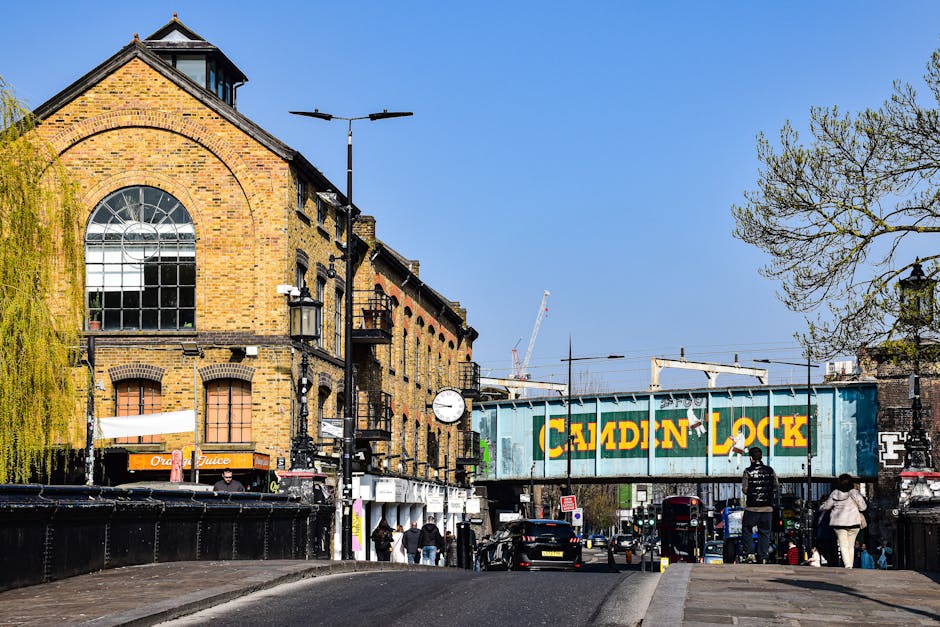
Chalk Farm Moving Costs Explained: NW1 Price Guide
If you are planning a move in NW1, the price can feel a bit mysterious at first. One quote looks fair, the next seems wildly different, and suddenly you are wondering what you are actually paying for. This guide to Chalk Farm moving costs explains the real factors behind local removal prices, what affects a man and van booking, and how to compare quotes without getting caught out. It is written for anyone moving a flat, house, or small office around Chalk Farm, Camden, and the wider NW1 area.
The short version? Moving costs are usually driven by time, access, volume, and the level of help you need. The longer version is what follows, because honestly, that is where the useful stuff lives.
Why Chalk Farm Moving Costs Explained: NW1 Price Guide Matters
Chalk Farm is one of those parts of London where the move itself can be simple on paper and awkward in practice. You may be dealing with narrow roads, parking pressure, stairs, a lift that is doing its best but not very convincing, or a building manager who needs notice for everything. Those details do not just make the day more stressful; they can change the final cost too.
That is why a NW1 moving price guide matters. It helps you understand whether a quote is sensible for your move, rather than simply low or high. A cheap estimate can look attractive until the van turns up too small, the crew runs out of time, or extra access charges appear. On the other hand, a properly detailed quote may feel more expensive at first but can actually save money because the job is planned accurately from the start.
For local moves around Chalk Farm, cost awareness also helps with timing. If you know the likely range for loading, travel, and unloading, you can avoid booking too little help and turning a one-day move into a drawn-out evening. Nobody wants to be carrying boxes after dark while the kettle is still in a random box labelled "misc."
There is also a trust angle here. A good moving company should be able to explain what is included, what is not, and what might change the price. If they cannot do that clearly, it is fair to pause.
If you are comparing options, it can help to look at the wider service offer as well, such as pricing and quotes, home moves, and man and van support. Those pages give useful context for the type of move you may need.
How Chalk Farm Moving Costs Explained: NW1 Price Guide Works
Moving prices in Chalk Farm are usually built from a few core ingredients: labour time, vehicle size, mileage, access difficulty, and the amount of handling required. Some firms charge hourly, some offer fixed quotes, and many use a mix of both depending on how predictable the job is.
In plain English, the more uncertain the move, the more the mover has to factor in risk. A top-floor flat with no lift and a tight street outside is harder to estimate than a ground-floor studio with easy parking. That does not mean the move is expensive by default. It means the quote needs to reflect the work properly.
What usually affects the final price
- Size of the move: a few boxes and a sofa are different from a full two-bedroom household.
- Access at both ends: stairs, lifts, long carries, and parking restrictions all matter.
- Distance: even local NW1 moves can vary depending on route, traffic, and waiting time.
- Vehicle choice: a smaller van may suit one load, while a larger van or truck is better for bulkier moves.
- Labour required: one-person help is not the same as a two-person or three-person crew.
- Packing needs: if you need wrapping, dismantling, or packing and unpacking services, the price will move accordingly.
Some quotes also include extras such as protective covers, straps, and trolley equipment. These are small things, but they add up. The right moving van and the right crew size are usually what decide whether your day feels calm or a bit frantic.
One useful rule of thumb: if you are unsure, describe the move in more detail rather than less. "Two bedrooms, no lift, third floor, one wardrobe to dismantle, parking awkward" is much better than "standard flat move." The clearer the brief, the cleaner the quote.
Key Benefits and Practical Advantages
Understanding NW1 moving costs gives you more than a budget number. It gives you control. And during a move, control is gold. Here are the main practical advantages.
1. Better budget planning
When you understand the moving price structure, you can plan for the total cost rather than only the headline rate. That makes it easier to account for packing supplies, additional labour, or storage if your dates do not line up perfectly.
2. Fewer surprises on moving day
A clear quote reduces the risk of awkward extras. If a company knows about the stairs, loading bay, or long carry in advance, they can price that in rather than springing it on you later.
3. Smarter service choice
Not every move needs a full-scale removal crew. Sometimes a simple man with van service is the right fit. Other times, especially with larger homes or business relocations, a broader removal services package is more sensible.
4. Less wasted time
If the job is sized correctly, the team can complete it in one smooth run rather than making multiple stressed-out trips. That matters in a busy area like Chalk Farm, where traffic and parking can be a headache even on a decent day.
5. Better protection for your belongings
Experienced movers know how to load awkward items, protect corners, and secure furniture so it does not arrive scuffed. That alone can be worth quite a lot. You do not want to save fifty quid and then spend the afternoon staring at a dented table.
Expert summary: the cheapest quote is not always the best value. In Chalk Farm, the most useful quote is the one that matches your access, your belongings, and your timing with enough detail to avoid surprises.
Who This Is For and When It Makes Sense
This guide is for anyone moving within or from Chalk Farm, NW1, but it is especially useful if your move is small enough that you are tempted to treat it casually. That is usually where people get caught out. Small moves still have access issues, timing pressure, and hidden handling needs.
You will find this especially helpful if you are:
- moving from a studio or one-bedroom flat
- relocating between NW1 postcodes
- moving into or out of a period building with stairs
- sharing a property and moving part of a household only
- transporting furniture, white goods, or a few large items
- arranging an office or studio shift
- comparing a man and van option with a larger removal company
It also makes sense if you are trying to decide whether to do the move yourself. To be fair, some people can manage that. But once you factor in van hire, fuel, ULEZ-style driving considerations, your own time, and the risk of damage, DIY can stop looking like the bargain it first appeared to be.
For larger homes, a more structured service such as house removals or house movers is often the better fit. For business relocations, commercial moves and office removals may be more appropriate.
Step-by-Step Guidance
Here is a practical way to approach a Chalk Farm move without losing the plot halfway through.
- Make a simple inventory. Write down the large items first: bed, sofa, wardrobe, desk, appliances, and anything fragile or awkward.
- Check access at both addresses. Count floors, note lifts, think about where the van can stop, and whether parking needs planning.
- Decide what help you actually need. Do you want loading only, loading and transport, or full packing support as well?
- Ask for a detailed quote. Be clear about timings, access, and any bulky pieces. Good movers can only estimate well if you give them enough detail.
- Compare value, not just price. Look at what is included, whether there is insurance cover, and whether the crew size makes sense for your move.
- Confirm the plan in writing. You want clarity on arrival time, estimated duration, payment terms, and any extra charges that might apply.
- Prepare the property. Reserve lifts if needed, disassemble what you can, and keep hallways clear.
- Pack a survival bag. Essentials, chargers, medication, a kettle, and tea. Trust me, that kettle earns its keep.
One little practical point: if your move is in the morning, finish the final packing the night before. The last hour before movers arrive tends to disappear in a blur of tape, missing keys, and someone asking where the scissors are. Again.
Expert Tips for Better Results
If you want to keep costs under control in Chalk Farm, the aim is not to cut corners. It is to reduce uncertainty. That is the real trick.
Choose the right service level
Do not pay for a large truck if a smaller moving van will do. But equally, do not squeeze a large move into a van that is too small. A second trip can erase any saving very quickly.
Move mid-week if you can
Weekend slots and month-end dates are often busier. If you can be flexible, you may get a better rate or at least better availability. That flexibility can matter more than people realise.
Reduce handling time
Label boxes clearly, empty drawers where needed, and disconnect appliances in advance if it is safe to do so. A minute saved on each item becomes a proper chunk of time by the end of the day.
Disassemble bulky furniture early
Flat-pack beds, large wardrobes, and chunky desks are much easier to move when broken down in advance. If you need help, ask about packing and unpacking services or a broader removals package.
Ask about cover and safety
Any reputable firm should be comfortable talking about how your items are handled and protected. You can also review insurance and safety information before booking. It is one of those boring details that becomes very interesting if something goes wrong.
Keep the route simple
Share the exact postcode, building entry point, and any loading restrictions. In a dense part of NW1, a good route plan saves time, fuel, and stress. Small detail, big effect.
Common Mistakes to Avoid
Most moving problems are not dramatic. They are usually the result of a few small mistakes that stack up. Familiar story, really.
- Only asking for a rough price: vague details lead to vague quotes, and vague quotes often become awkward quotes.
- Ignoring access issues: stairs, distance from van to front door, and parking are not minor points in NW1. They are cost drivers.
- Booking too little time: rushing a move usually creates damage, stress, or both.
- Not checking what is included: some quotes cover only transport; others include loading, unloading, and equipment.
- Forgetting about insurance and terms: always know what happens if something is damaged or delayed.
- Overpacking boxes: heavy boxes are slow to carry and much more likely to split. Ask anyone who has tried to lift a box full of books. Not fun.
- Leaving fragile items unlabelled: this is how someone ends up placing a lamp on top of a box of cutlery. Slightly tragic, very avoidable.
Another common mistake is assuming every moving company works the same way. They do not. Some are suited to simple local jobs, while others are geared for bigger movers jobs with more crew and equipment. Picking the wrong fit is where frustration starts.
Tools, Resources and Recommendations
You do not need a complicated toolkit to plan a move well. A few simple things go a long way.
- A room-by-room inventory: helpful for both quotes and packing order.
- Measuring tape: useful for checking sofas, wardrobes, and door widths.
- Sticky labels or marker pens: basic, but essential.
- Phone photos of bulky items: very handy when asking for a quote.
- A moving day folder: keep contracts, payment details, and contact numbers together.
- Padding materials: blankets, bubble wrap, or paper for delicate items.
If you are comparing providers, you may also want to read about the company behind the service. Pages like about us, terms and conditions, and recycling and sustainability help you understand working practices and expectations before you book.
For broader planning, the useful pages are the ones that answer three questions: who is moving, what is being moved, and how much help is needed. Once those are clear, the quote becomes much easier to judge.
Law, Compliance, Standards and Best Practice
Moving homes and offices in London does not usually involve complicated legal rules for the customer, but there are still sensible standards to follow. The main thing is to choose a mover that works professionally, handles belongings safely, and communicates clearly.
Best practice usually includes:
- clear written quotes or estimates
- transparent payment terms
- reasonable handling of access and parking issues
- appropriate insurance arrangements
- careful loading and unloading procedures
- respect for property, neighbours, and shared spaces
If you live in a managed block, you may also need to check building rules for lifts, delivery bays, or moving times. That is not a legal lecture; it is just real life in London. A quick message to the building manager can save a great deal of hassle.
It is also worth choosing companies that take health and safety seriously, especially where heavy lifting, stairs, and tight corridors are involved. You can review the company's approach through health and safety policy. That sort of detail is not flashy, but it matters.
Options, Methods, or Comparison Table
Here is a simple comparison of the most common moving options people consider around Chalk Farm and NW1.
| Option | Best for | Typical strengths | Possible downsides |
|---|---|---|---|
| Man and van | Small flats, partial moves, furniture runs | Flexible, often cost-effective, good for local jobs | May not suit very large or complex moves |
| Standard removals crew | Full household moves | More labour, better for bulk and handling | Can cost more than a smaller service |
| Van-only hire or DIY | Very simple moves with minimal items | Can look cheap at first | Fuel, time, effort, and risk can add up fast |
| Specialist office relocation | Business moves, equipment, desks, files | More structured planning, less business disruption | Needs more preparation and coordination |
The right choice depends on how much you have, how far you are going, and how awkward the buildings are. In Chalk Farm, awkward access often matters as much as volume. Sometimes more.
If you want something compact and practical, man and van removals may be enough. If you need more structured help, a broader removal company or removal companies comparison may be the better route.
Case Study or Real-World Example
Here is a realistic example based on a typical NW1 local move.
A couple moving from a second-floor Chalk Farm flat to a nearby home in Camden had one sofa, a bed frame, a mattress, a dining table, four chairs, eight boxes, and a bicycle. On paper, that sounds manageable. But the flat had no lift, the stairwell was narrow, and the van could not park directly outside for long.
They first considered doing it themselves. After looking at van hire, loading time, and the fact that one of them was already juggling work calls, they decided it made more sense to book help. They chose a small team with the right van size, pre-packed the boxes, and disassembled the bed the night before. The result was a calmer day and no late-afternoon scramble for tape or screwdrivers.
The real saving was not just in money. It was in time and mental bandwidth. The move finished before evening, the furniture arrived in one piece, and they did not spend the next day recovering from lifting awkward items up and down stairs. That is the sort of result people usually want, even if they do not say it out loud at the quote stage.
Practical Checklist
Use this before you confirm your move in Chalk Farm.
- Confirm the move date and time window.
- List every major item that needs moving.
- Measure bulky furniture and note anything awkward.
- Check floors, lifts, and stair access at both addresses.
- Find out whether parking or loading space is available.
- Ask what is included in the quote.
- Check insurance and safety information.
- Decide whether you need packing help.
- Label boxes by room and priority.
- Prepare essentials for the first night.
- Keep payment and contact details handy.
- Leave a little extra time if the building is busy or access is tight.
If you follow even half of that list, the day tends to go a lot smoother. Not perfect, maybe. But smoother, and that counts.
Conclusion
Chalk Farm moving costs are not random. They are shaped by the same real-world factors every time: access, volume, timing, labour, and the level of support you choose. Once you understand those pieces, comparing NW1 quotes becomes much easier and far less stressful.
The biggest lesson is simple. A good move is planned, not guessed. The more clearly you describe your situation, the easier it is to get a fair price and avoid awkward extras on the day. That applies whether you are moving a single room, a family home, or a small office.
Get a free quote today and see how much you can save.
And if you are still weighing things up, take a breath. A well-planned move in Chalk Farm is absolutely doable, even on a busy London street. One clear step at a time, that is usually enough.
Frequently Asked Questions
How much does a move in Chalk Farm usually cost?
The cost depends on the size of the move, access, distance, and whether you need packing or extra labour. Small local moves can be relatively straightforward, while larger flat or house moves need more time and planning.
Is a man and van service cheaper than a full removal team?
Usually, yes, for smaller loads. A man and van option can work well for light local moves, but it may not be the best value for bigger households where more hands are needed.
What makes Chalk Farm moves more expensive than elsewhere?
Tight parking, stairs, lift access, and busy local roads can all increase time and effort. In NW1, access is often the biggest reason a quote changes. Sometimes it is the hidden stairs that do it.
Do I need to pay more for packing help?
Yes, packing support usually adds to the price because it takes extra time and materials. It can still be worthwhile if you are short on time or have fragile items that need careful handling.
Should I choose a fixed price or an hourly rate?
Fixed prices suit straightforward moves with predictable access. Hourly rates can work for smaller, flexible jobs. The right choice depends on how clearly the move can be defined in advance.
How far in advance should I book a Chalk Farm mover?
As early as you can, especially if you are moving at the end of the month, on a weekend, or during a busy period. Better availability usually means better planning, which often means a smoother day.
What details should I include when asking for a quote?
Give the mover the addresses, floor numbers, lift access, parking situation, major furniture items, fragile pieces, and whether you need packing or dismantling help. More detail usually means a better estimate.
Is it worth using a local NW1 moving company?
Often, yes. A local team is more likely to understand the road layout, access pressure, and building types in the area. That practical familiarity can save time and reduce stress.
What if my building has awkward access or no parking outside?
Tell the mover in advance. Long carries and parking limitations can affect the quote, but they are much easier to manage when everyone knows about them before moving day.
Can I save money by doing some of the move myself?
Absolutely. Packing your own boxes, disassembling furniture, and clearing pathways can all reduce labour time. Just make sure the move remains realistic for the van size and the crew you book.
Do movers in Chalk Farm need to be insured?
Reputable movers should have appropriate insurance arrangements in place. It is sensible to review the company's insurance and safety information before booking.
What is the best way to avoid surprise charges?
Be accurate about the move from the start. Mention stairs, parking, heavy items, awkward access, and any extra services you need. Clear communication is the easiest way to keep costs predictable.
Are office moves priced differently from home moves?
Often they are, because offices may involve equipment, files, IT items, and tighter scheduling. If you are moving a business, it is worth looking at office relocation services as well as the broader move cost structure.
What is the most common mistake people make when booking a move?
The biggest mistake is underestimating the job. A move that sounds small can become surprisingly awkward once stairs, narrow hallways, and parking enter the picture. That is usually where the quote shifts.