Removing Bulky Waste in Chalk Farm Without Fines
Posted on 02/06/2026
If you need to get rid of a sofa, wardrobe, mattress, freezer, or other large household item in Chalk Farm, the goal is simple: do it properly, do it safely, and avoid a fine. That sounds straightforward, but in real life bulky waste can turn into a messy job very quickly. One wrong choice, one item left on the pavement too early, or one careless handover to the wrong person, and suddenly you have a problem nobody wanted.
This guide explains Removing Bulky Waste in Chalk Farm Without Fines in plain English. You will learn how the process works, what usually causes penalties, which disposal methods make sense for different items, and how to plan the job without stress. We will also cover practical local considerations, common mistakes, and a realistic step-by-step approach that keeps things tidy. To make the job easier, you may also find it helpful to look at decluttering tips before a move and responsible recycling and sustainability guidance as part of your planning.
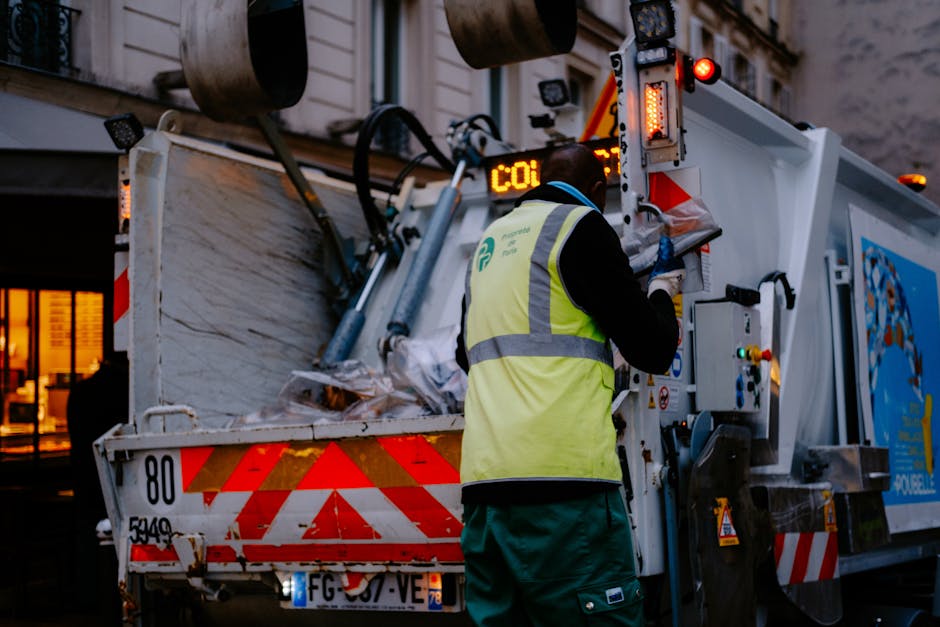
Why Removing Bulky Waste in Chalk Farm Without Fines Matters
Bulky waste is not the same as everyday rubbish. A broken chest of drawers, a stained mattress, a worn-out armchair, or a heavy freezer all need more thought than a normal bin collection. They take up space, can be awkward to move, and often need a specific disposal route. In a busy area like Chalk Farm, where pavements can be narrow and buildings are often shared, the wrong approach creates problems quickly.
What actually causes fines? Usually it is not the item itself. It is the way it is handled. Common trouble spots include leaving waste in a communal area without permission, putting items out before collection, using an unlicensed carrier, or dumping things in a nearby street or verge because it feels quicker. Truth be told, that "quick fix" can become the expensive option.
There is also a practical side to this. Bulky waste left hanging around can block access, create hazards in stairwells, attract complaints from neighbours, and make a property look neglected. If you are moving out, preparing a rental, or clearing a flat, those details matter. A smooth removal keeps people happier and helps you avoid the sort of awkward follow-up messages nobody enjoys getting at 8 a.m. on a Monday.
For many households and landlords, the real aim is not just disposal. It is safe disposal with a clean paper trail. That is where a careful approach pays off.
Key takeaway: the cheapest bulky waste option is not always the one with the lowest upfront price. The best option is the one that removes the item legally, safely, and with no hidden risk of fines or fly-tipping trouble.
How Removing Bulky Waste in Chalk Farm Without Fines Works
The simplest way to think about bulky waste removal is this: identify the item, choose the correct route, prepare it properly, and make sure the carrier or disposal method is legitimate. If you skip any of those steps, you increase the risk of delay, damage, or a penalty.
1. Identify what you are removing
Start by separating items into categories. Furniture, mattresses, electrical goods, metal items, and mixed waste can all need different handling. A bed frame is not treated the same way as a fridge. A piano is a very different beast altogether. If you are dealing with particularly awkward pieces, the team behind furniture removals in Chalk Farm or specialist piano removals will usually plan the lift, route, and vehicle space much more carefully.
2. Decide whether reuse, donation, recycling, or disposal fits best
Some bulky items can be reused if they are still in decent condition. Others can be broken down for recycling. And some are simply at the end of the line. The key is not to force every item into the same bucket. For example, a solid wardrobe might be suitable for reuse or resale, but a water-damaged sofa usually needs disposal through an appropriate waste route.
3. Check access and lifting needs
Chalk Farm homes vary a lot. You might have a top-floor flat with a tight staircase, a shared entrance, or a side street with limited stopping space. That matters. Even a small item can become difficult if the route is awkward. This is why an experienced mover will often walk the access first, then choose the safest path. If you are lifting alone, have a look at practical advice for solo heavy lifting before you start wrestling with a sofa that clearly did not want to leave in the first place.
4. Book the right transport and timing
Sometimes a same-day collection makes sense, especially if you are clearing a property before inventory checks or handover. Other times, planning it a few days ahead is enough. The right timing depends on access, item size, and whether you need help with stairs, dismantling, or loading. If the job is urgent, same-day removals in Chalk Farm can be a practical option when the schedule is tight.
5. Make sure the carrier is properly set up
This is the part people often overlook. If someone takes your waste away and dumps it illegally, the mess can come back to you. That is why it matters who you hire. A proper removal team should be clear about what they take, how they handle waste, and what happens to reusable or recyclable items. It is not glamorous, but it is the bit that protects you later.
Key Benefits and Practical Advantages
Doing bulky waste removal properly saves more than just time. The benefits show up in the details, and you usually notice them by the end of the day when the hallway is clear and your shoulders are not hanging by a thread.
- Lower risk of fines: the obvious one, but worth saying. Legal removal and proper handling reduce the chance of enforcement trouble.
- Less stress on moving day: bulky items cleared in advance make the whole place feel calmer and easier to manage.
- Safer access routes: clear halls, stairs, and doorways reduce trip hazards and damage.
- Better recycling outcomes: many items contain reusable parts, metal, timber, or electrical components that can be separated properly.
- Cleaner handovers: landlords, agents, and buyers tend to notice a property that has been fully cleared.
- More efficient loading: once bulky items are sorted, the remaining job is usually quicker and more straightforward.
There is also a psychological benefit that people rarely mention. Once the big item is gone, the space feels bigger. Lighter. Less like a storage problem and more like a home again. That shift is surprisingly motivating.
If your bulky waste is tied to a wider clear-out, pairing the job with a smooth move-out process or packing and boxes support in Chalk Farm can make the whole day run better.
Who This Is For and When It Makes Sense
Bulky waste removal is not only for homeowners doing a spring clean. In Chalk Farm, it often comes up in all sorts of ordinary situations. The list is longer than people expect.
- Tenants moving out who need to clear large items before check-out.
- Landlords and letting agents managing left-behind furniture or end-of-tenancy clearances.
- Flat owners replacing damaged sofas, beds, wardrobes, or appliances.
- Students clearing shared homes at the end of term or before a new tenancy starts.
- Small businesses replacing office furniture or storage units.
- People downsizing and deciding what stays, what goes, and what is too big to keep.
- Anyone with access issues who cannot safely move a large item alone.
It makes sense to act early if a bulky item is blocking a room, causing safety concerns, or making it difficult to clean or decorate. It also makes sense if your move date is near and you do not want clutter slowing the job down. To be fair, nobody wants to spend moving week stepping around an old mattress like it is a permanent housemate.
If you are comparing help for a small clear-out, you might also look at man and van support in Chalk Farm or a more structured removal service depending on the volume and weight involved.
Step-by-Step Guidance
Here is a practical way to handle bulky waste without making the job bigger than it needs to be. Keep it simple. Simple is good.
- List each item clearly. Note the type, approximate size, and whether it can be dismantled. A quick phone photo helps later.
- Sort by outcome. Separate what can be reused, recycled, or needs disposal. If you are unsure, treat it as mixed waste until checked.
- Measure access points. Door width, stair turns, lift size, parking access. These small details decide whether the job is easy or awkward.
- Clear a path. Move smaller items out of the way first. You do not want a toppled lamp or a box of old cables slowing a large lift.
- Dismantle where sensible. Flat-pack furniture, bed frames, and some shelving can be broken down safely to reduce strain and improve loading.
- Choose the right transport. Make sure the vehicle fits the load and that the removal team understands any safety issues.
- Confirm the disposal route. Ask how the items will be handled. Reuse, recycling, and lawful disposal should be part of the plan.
- Keep records if needed. For larger clearances, a simple note, receipt, or booking confirmation can be useful if questions come up later.
A realistic example: if you are clearing a one-bedroom flat with a sofa, two chairs, a bed base, and a broken freezer, the right approach is not to dump everything into one last-minute pile. Separate the freezer because it may need special handling, keep the bed parts accessible, and make sure the route from bedroom to exit is clear. That alone can save a lot of grief.
Expert Tips for Better Results
These are the little things that tend to matter most. Not flashy. Just practical.
Measure before you move, not after
It sounds obvious, but people still get caught out. A sofa that fits through one doorway may not clear the stair bend. A wardrobe might need hinges removed. A freezer may be too heavy for one person and too awkward for two. Measuring first avoids that uncomfortable moment where everyone goes quiet and stares at the landing.
Use the best exit route, not the nearest one
The shortest path is not always the safest path. A side entrance, service corridor, or ground-floor access may be better than a tight front stairwell. An experienced team will think in routes, not just distance.
Keep recyclable materials separate if you can
Separating metal, wood, cardboard, and electrical items can improve recycling outcomes. Even if you are not sorting everything yourself, it helps to know which items belong together and which do not.
Book around your neighbours, not just your own schedule
In a shared building, timing matters. Early mornings can be fine for some jobs, but in other situations they are simply not worth the noise. A bit of thought goes a long way, especially in busy streets around Chalk Farm where people notice everything.
Use professional help for high-risk items
Some items deserve expert handling. Pianos, large mirrors, heavy freezers, and awkward furniture are not worth improvising. If the lift is risky, bring in the right support. A safer job is usually a faster job anyway.
And yes, gloves help. Good gloves. Not the thin floppy ones that split as soon as you touch a metal hinge.

Common Mistakes to Avoid
Most fines and headaches come from preventable mistakes. The good news is that they are easy to spot once you know what to look for.
- Leaving items on the street too early. Even if collection is planned, timing matters.
- Using an unknown carrier. If someone cannot explain where waste goes, that is a warning sign.
- Mixing everything together. A fridge, sofa, and general clutter all in one pile can slow the job and complicate disposal.
- Forgetting access constraints. Tight stairs and parking limitations can derail a plan that looked fine on paper.
- Ignoring electrical or hazardous components. Some items need careful treatment, especially broken appliances.
- Not confirming who is responsible. In rented homes, responsibility can be unclear unless you sort it out early.
- Choosing the wrong vehicle size. Too small and you need extra trips. Too large and you may pay for space you never use.
A lot of people also make the mistake of assuming bulky waste is "just rubbish." It usually is not. The moment an item is heavy, awkward, or mixed with electrical parts, the risks change. That is when planning matters.
Tools, Resources and Recommendations
You do not need specialist equipment for every job, but a few basic tools make bulky waste removal much smoother. Small things, big difference.
- Measuring tape: useful for doorways, furniture dimensions, and vehicle access.
- Sturdy gloves: protects hands from splinters, sharp edges, and rough surfaces.
- Furniture straps: helpful for controlling heavy items during lifts.
- Blankets or padding: reduces damage to walls, bannisters, and the item itself.
- Basic dismantling tools: often needed for bed frames, shelving, or modular furniture.
- Labels or markers: useful if you are sorting items for reuse, recycling, or disposal.
On the service side, these pages are worth a look if your bulky waste is part of a wider move or clear-out: removals in Chalk Farm, house removals, flat removals, and storage in Chalk Farm if you are not quite ready to part with everything.
If you want a broader overview first, the services overview can help you see where bulky waste removal fits alongside other moving and clearance jobs. And if you are comparing providers, removal companies in Chalk Farm is a useful starting point.
Law, Compliance, Standards, or Best Practice
This is the part people often skip until they wish they had not. In the UK, waste must be handled responsibly, and if a carrier removes your items and dumps them illegally, that can create real trouble. The exact legal outcome depends on the circumstances, but the basic principle is simple: if you hand waste to the wrong person or dispose of it carelessly, you may be dragged into the mess.
Good practice means using a reputable removal provider, checking what they take, and making sure the disposal route is appropriate for the item type. For business clear-outs, the standard is even higher because you may have additional record-keeping, duty-of-care, or property handover considerations. Nothing exotic. Just sensible care.
It also helps to think about safety standards. Heavy lifting, sharp edges, dismantling tools, and awkward staircases are all obvious hazards. A proper approach should reduce the risk of injury and property damage. That is why many people choose support that includes insurance and safety measures as part of the service.
If a provider is transparent about pricing, conditions, and how items are handled, that is usually a good sign. You can also check terms and conditions and health and safety policy pages when making a decision. A little boring, yes. Still worth it.
Options, Methods, or Comparison Table
There are usually several ways to remove bulky waste. The right one depends on your item, your timing, and how much lifting you are prepared to do yourself.
| Method | Best for | Pros | Watch out for |
|---|---|---|---|
| DIY disposal | Small loads, simple access, manageable items | Flexible and sometimes cheaper upfront | Time, lifting risk, parking, and disposal mistakes |
| Professional man and van | Mixed household items, flats, small clear-outs | Convenient, faster, less heavy lifting | Need to check what is included and how waste is handled |
| Specialist removal service | Heavy, awkward, fragile, or high-value items | Better handling, safer for complex jobs | May cost more than standard collection |
| Storage first, decision later | Items you are not ready to dispose of | Buys time, avoids rushed choices | Can add cost if used for too long |
For many Chalk Farm residents, a hybrid approach works best. For example, keep reusable items aside, put out clearly unwanted furniture for collection, and use professional help for the heavy or awkward pieces. That mix tends to keep both the budget and the stress level under control.
If you are comparing small-load support, the options can overlap with man with a van in Chalk Farm and removal van services, especially when you want one vehicle, one crew, and no drama.
Case Study or Real-World Example
Here is a realistic local-style example. A resident in a Chalk Farm flat needed to clear a bed base, a bulky wardrobe, two broken dining chairs, and an old freezer before moving out. The flat was on an upper floor, the stairwell was narrow, and the freezer was too awkward to risk on a last-minute DIY lift.
Instead of putting everything outside and hoping for the best, the items were sorted first. The wardrobe was checked for dismantling, the chairs were grouped with furniture waste, and the freezer was treated separately because of its weight and handling needs. The route through the building was measured. Parking space was planned before any lifting started. No guessing. No rush.
The result was simple: the clearance was finished in one organised visit, the hallway stayed clear, and the tenant could hand the property back without last-minute panic. More importantly, there was no need to leave items on the pavement overnight or gamble on an unreliable disposal option. Sometimes that is the whole win right there.
This is also where broader moving support can help. If bulky waste is part of a relocation, a cleaner move-out process from house move planning tips or even small flat move advice can save time and keep everything in sequence.
Practical Checklist
Use this checklist before you schedule or start the job. It keeps things grounded.
- Identify every bulky item clearly.
- Decide whether each item is reusable, recyclable, or for disposal.
- Measure doors, stairs, lifts, and the route out of the property.
- Check whether anything needs dismantling.
- Confirm parking and vehicle access.
- Separate electrical items, mattresses, and heavy furniture where needed.
- Use proper lifting gear and gloves.
- Ask how the items will be handled after collection.
- Keep any booking confirmation, receipt, or service notes.
- Make sure nothing is left in a shared area without permission.
Practical summary: the safest route is usually the simplest one. Sort the items, plan the lift, use the right help, and leave no grey areas around responsibility. That is how you keep bulky waste removal calm, lawful, and much less likely to end in complaints.
Conclusion
Removing bulky waste in Chalk Farm without fines is mostly about doing ordinary things properly. Identify the item, plan the access, use the right disposal route, and avoid shortcuts that create risk. The process does not need to be complicated, but it does need care. Especially in a busy area where access can be tight and people notice what happens outside their front door.
If you remember nothing else, remember this: do not leave bulky waste to chance. A little planning protects you from fines, reduces lifting strain, and makes the whole property feel under control again. And once the clutter is gone, you notice the space differently. It breathes a bit.
If your clear-out is urgent, awkward, or part of a bigger move, choose the route that keeps you safe and keeps the disposal lawful. That is the sensible win, and in the end it usually feels good to get it done properly.
Get a free quote today and see how much you can save.