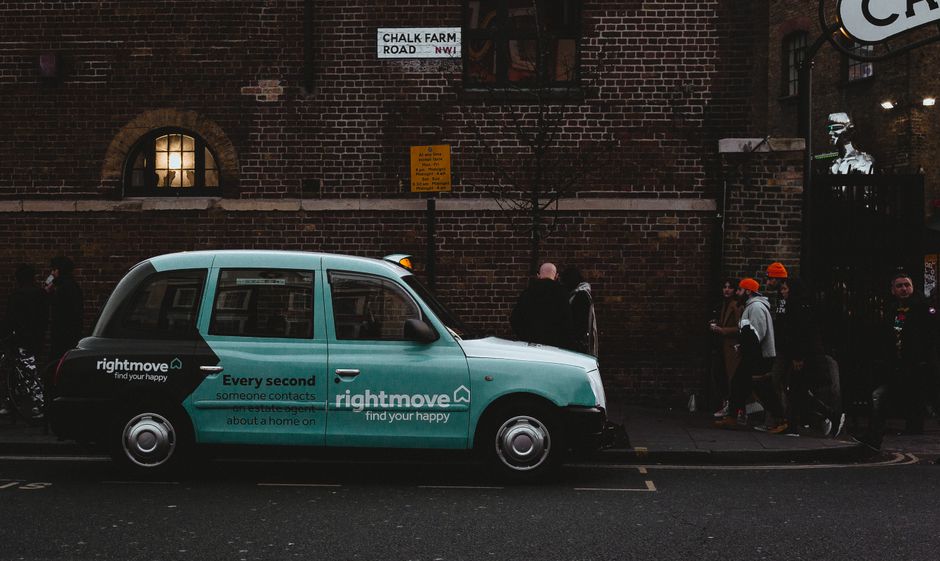
Camden Council Parking Permits for Chalk Farm Moves
Posted on 26/06/2026

If you are moving in or out of Chalk Farm, parking can become the quiet little problem that turns a decent move into a stressful one. A van that cannot stop where it needs to, a loading bay that is already full, or a permit applied for too late can throw the whole day off. This guide to Camden Council Parking Permits for Chalk Farm Moves explains how the process usually works, why it matters, and how to plan your move so the vehicle, the team, and your belongings all stay on schedule.
Truth be told, most moving-day delays in London are not caused by the lifting itself. They are caused by access. That means parking space, timing, restrictions, and whether you have thought about where the van can safely stand for twenty minutes while the sofa comes down the stairs. A bit of planning goes a long way.
Why Camden Council Parking Permits for Chalk Farm Moves Matters
Chalk Farm sits in a busy part of north London, and that matters more than people expect on moving day. Streets can be narrow, parking is often controlled, and you may be sharing space with residents, businesses, deliveries, school traffic, and the occasional impatient driver who thinks your moving van appeared by magic. It did not.
A parking permit or dispensatory arrangement is not just admin. It is access. Without it, a removal vehicle may have to park further away, wait for a legal space, or keep circling while everyone else is trying to unload. That can increase time, effort, and the chance of damage. If you are moving a heavy wardrobe or awkward furniture, those extra metres really do matter.
For smaller moves, people sometimes assume they can just "wing it" for a couple of hours. Sometimes they can. But in practice, that is often where the day starts to unravel. Even a short-stop loading restriction can make a simple flat move feel oddly complicated. If you have ever stood on the pavement with a mattress, a trolley, and a growing sense of regret, you will know the feeling.
There is also the issue of neighbours and local flow. A well-planned vehicle stop helps everyone. It reduces blocking, avoids unnecessary reversing, and keeps the move moving. That is especially useful in the tighter residential pockets around Chalk Farm where access is not always generous.
If your move is already a bit packed or time-sensitive, it can help to review practical preparation advice like decluttering before the big day and simple house-moving tips that keep things calm. Less clutter usually means less unloading pressure, which makes parking arrangements easier to use well.
How Camden Council Parking Permits for Chalk Farm Moves Works
The exact process can vary depending on the type of street, the parking controls in force, and the nature of the move. In broad terms, you are looking at permission or an agreed arrangement that allows a removal vehicle to stop legally close to the property for loading and unloading.
In London, this often involves one or more of the following:
- a resident bay suspension or temporary bay restriction
- a loading/unloading allowance where permitted
- a permit or dispensation for a commercial vehicle
- careful timing within the street's controlled parking hours
To be fair, not every move requires a formal permit. Some moves can be done legally within existing rules, provided the vehicle is parked correctly and the unloading is quick and properly supervised. But that is exactly why checking early matters. The worst-case scenario is assuming parking will be easy, then discovering on the day that the closest space is restricted or already occupied.
For Chalk Farm moves, timing is often the deciding factor. Early morning can be calmer. Midday may be busier. Evening can be awkward if residents have already claimed the limited spaces. If you are moving near busier local routes or around event traffic, the parking plan becomes even more important.
Another thing people overlook: the size of the vehicle. A larger removal van needs more room to stop safely and more room to work around doors, pavements, and pedestrians. If you are using a smaller vehicle or a man and van setup, the permit question still matters, just in a slightly different way. You still need somewhere legal, practical, and near enough to the entrance to keep things efficient.
And yes, even a perfectly packed van can become a headache if the parking is wrong. I have seen that happen more than once. The boxes are loaded beautifully, the plan is neat, and then the vehicle has to stop half a street away. Suddenly everyone is carrying drawers like it is an accidental gym session.
Key Benefits and Practical Advantages
Getting the parking side right does more than avoid frustration. It changes the whole shape of the move.
- Shorter loading times: the closer the vehicle is, the fewer trips across the pavement.
- Lower risk of damage: less carrying distance usually means fewer knocks to doors, walls, banisters, and furniture.
- Less disruption: residents, neighbours, and passing traffic are affected less when the vehicle is properly positioned.
- Better timing control: the team can work to a realistic schedule rather than wasting time hunting for parking.
- Fewer compliance worries: a legal stop reduces the risk of penalties or enforcement issues.
There is also a quieter benefit that people rarely mention: peace of mind. When the parking plan is settled, the rest of the move feels more manageable. You can focus on the content of the move, not the road outside.
For households moving larger items, this matters even more. If you are dealing with furniture, a mattress, or a piano, every extra metre matters. If the move includes a bulky or delicate item, it is worth pairing the parking plan with specialist handling advice such as moving a bed and mattress without drama or piano removals in Chalk Farm where the handling needs are more exacting.
For many moves, the best result is not about doing something dramatic. It is about removing friction. Parking permits do exactly that.
Who This Is For and When It Makes Sense
This topic is relevant to more people than you might think. If you are moving in Chalk Farm, chances are you should at least check whether parking controls affect your address.
You will likely need to think about permits or parking arrangements if you are:
- moving from a flat on a controlled street
- using a van that needs close access for loading
- moving heavy or fragile furniture
- working to a tight handover time
- moving an office, studio, or shared workspace
- dealing with a basement, upper floor, or awkward staircase
Students often underestimate this. Then the moving day arrives, the car park is full, and the lift is busy, and suddenly their "small move" is not small anymore. If that sounds familiar, you might also find student removals in Chalk Farm useful for planning lighter but time-sensitive moves.
Office moves can be just as sensitive. When business equipment, files, chairs, and monitors are involved, access timing is critical. A van parked legally and close to the entrance makes a huge difference, which is why local business moves often benefit from extra planning and, where needed, a permit-backed loading setup. For that kind of move, this local office move guide is a sensible companion read.
If you are not sure whether your move is simple enough to leave unpermitted, ask yourself one plain question: can the vehicle stop legally close enough for safe loading without risking disruption? If the answer is uncertain, plan for a permit or a formal parking arrangement. Easy as that.
Step-by-Step Guidance
Here is a practical way to handle parking planning without letting it take over your entire move.
- Check the property and street conditions early.
Look at bay markings, signs, nearby restrictions, and whether the road feels tight enough that a van would struggle to stop safely. Do this before packing becomes a full-time job. - Decide what kind of access you need.
Is it a quick loading stop, a longer unloading window, or space for repeated trips? A large furniture move may need more than a brief curbside pause. - Match the vehicle to the street.
A larger van may need more room to manoeuvre, while a smaller vehicle can sometimes work better on narrow streets. Matching the vehicle to the location is often smarter than forcing one option. - Build the parking plan into the move schedule.
Don't leave it until the last day. Parking and loading should sit inside the timeline, not beside it. - Prepare the route from door to van.
Think about stairs, tight halls, lift access, and pavement width. The move is not only about the bay; it is about the whole path. - Have backup ideas.
What if the first space is taken? What if the loading area is occupied? A decent plan has a second option. If the day is already full on the calendar, you do not want improvisation to be the headline act. - Confirm the final details before move day.
Re-check timing, vehicle size, and who is responsible for keeping the loading area clear. That last point matters more than people think.
If the move involves bulky household items, pairing the parking plan with the right packing approach can save a lot of grief. You may want to look at furniture removals in Chalk Farm or packing and boxes support if you want the job organised more cleanly from the start.
And if time is really tight, or the move has slipped and now feels urgent, a service like same-day removals in Chalk Farm can be a practical fallback, provided access has been thought through properly.
Expert Tips for Better Results
These are the small things that often separate a smooth move from a slightly chaotic one.
- Book the permit or parking arrangement earlier than you think you need to. Last-minute admin is where stress creeps in.
- Measure the vehicle against the street, not just the property. The van has to fit the space, not merely the postcode.
- Keep one person responsible for parking. Too many cooks and all that. One person should know what is happening outside.
- Use clear labels on boxes and items. Faster unloading means less time standing in the street with open doors.
- Plan around neighbours and timing. Morning school runs, commuter traffic, and waste collections can all affect access.
- Protect items before the van arrives. Better wrapping and grouping reduces the time spent juggling things on the pavement.
A small but useful trick: load the first things you will need on arrival last into the van. That keeps essentials accessible. It sounds obvious, but in the rush of a moving morning, obvious things are the first to go missing. Happens all the time.
For awkward or heavy items, a bit of planning around handling can reduce stress and injury risk. You may find solo heavy lifting tips and modern lifting approaches useful if you are making decisions about what to carry yourself and what to leave to professionals.
Also, if your move includes fragile or specialist items, an expert eye is worth having. A little caution beats a scratched banister or a wobbly carry any day.
Common Mistakes to Avoid
Parking mistakes are usually simple, which is exactly why they catch people out.
- Leaving it too late: if you start checking on move day, you are already behind.
- Assuming a loading bay is always free: it may be in use, suspended, or unavailable for your vehicle type.
- Forgetting the unloading route: a legal stop is no use if the path inside is blocked by boxes, bikes, or a stubborn sofa.
- Choosing the wrong vehicle size: too small and you need extra trips; too large and access becomes difficult.
- Ignoring nearby restrictions: resident bays, single yellow lines, event traffic, and time limits all matter.
- Not briefing helpers: if friends are helping, they need to know the parking plan too, not just the tea schedule.
A classic one is the "we'll just find somewhere when we get there" approach. That can work in quiet areas. Chalk Farm is not usually a quiet-area kind of situation. There is often too much happening, and the moving day clock keeps ticking.
Another common issue is assuming that because a space is empty, it is available. It might not be. Signs, times, and bay rules are not decoration. They are the part that decides whether your move starts calmly or with a parking dispute and a rising blood pressure.
Tools, Resources and Recommendations
You do not need fancy gear to manage parking well, but a few practical tools help.
- Printed moving plan: a simple paper copy is handy if your phone battery is busy dying at the worst moment.
- Street photographs: take pictures of signs, bay markings, and entrance points in advance.
- Inventory list: knowing what comes out first keeps the van loading order efficient.
- Labels and coloured tape: fast identification matters when boxes are moving from house to van and then van to property.
- Floor protection and covers: useful for keeping internal routes clear and safe.
For bigger moves, it is smart to look at the wider removal picture, not just parking. Pages like services overview and removal services in Chalk Farm can help you think through the range of support needed, from access to handling.
If you are weighing up who to use, removal companies in Chalk Farm is a sensible place to compare the kind of help available. And if you want to understand practical timing and likely cost expectations before booking, pricing and quotes is worth a look.
One small note: if you are moving valuables, check the security and payment process so you know exactly how the job is being arranged. A reliable move should feel orderly, not mysterious. Nobody enjoys surprises when there is a sofa involved.
Law, Compliance, Standards, or Best Practice
Parking rules are not something to treat casually. Even when the move itself is private, the vehicle still has to comply with local parking restrictions, signs, road markings, and time limits. That means you should plan based on the actual street conditions, not assumptions from memory or from a quick glance while carrying laundry downstairs.
Best practice usually includes:
- checking parking signs and restrictions in advance
- making sure the vehicle stop is legal and safe
- allowing enough time so loading is not rushed
- not blocking access for emergency or service vehicles
- keeping pedestrians clear during loading and unloading
For professional movers, safety should sit alongside parking. A proper plan should support the handling of goods, the team's movement, and the public's safety around the vehicle. If items are large, awkward, or heavy, that part matters just as much as the permit side.
It is also sensible to keep records of what was arranged, especially for larger or more complicated jobs. That might mean notes about timing, the agreed stop location, or who confirmed the access plan. Not glamorous, I know. Still useful.
If your move involves staircases, tight hallways, or older housing stock, good access planning and safe handling are intertwined. A good example of this wider practical thinking is avoiding staircase damage in Victorian Chalk Farm homes, which shows why the path from doorway to van matters so much.
Options, Methods, or Comparison Table
Not every move needs the same access approach. Here is a simple comparison to help you decide what feels realistic.
| Approach | Best for | Pros | Possible drawbacks |
|---|---|---|---|
| Legal curbside loading without formal permit | Very short, low-complexity moves where parking rules allow it | Simple, quick, no extra admin if conditions fit | Can fail if spaces are unavailable or restrictions change |
| Parking permit or bay arrangement | Most Chalk Farm moves needing reliable vehicle access | Better predictability, safer loading, less wasted time | Requires planning and confirmation ahead of time |
| Smaller vehicle / man and van | Light moves, student moves, tight streets | Easier manoeuvring, often more flexible on narrow roads | May need multiple trips if the load is larger |
| Full removal van with structured access plan | House moves, flats with furniture, office moves | Efficient for larger loads, better workflow | Needs the most thoughtful parking and timing |
In real terms, the right choice depends on your property, your load, and how much street space you can reasonably rely on. If the move is light, a smaller setup may be fine. If there is a lot of furniture or fragile items, a stronger access plan usually pays off.
For example, a compact flat move near Castlehaven Road may need a different approach from a larger family house move or an office relocation. A useful local read for the lighter end of things is small flat moves on Castlehaven Road.
Case Study or Real-World Example
Here is a realistic Chalk Farm-style scenario. A couple moves from a third-floor flat with a narrow stairwell and a limited parking street outside. They have a sofa, bed, dining table, and a handful of packed boxes. Nothing outrageous, but enough to make access a real factor.
At first, they think the van can just stop nearby and the job will be done in an hour or two. Then they check the street properly and realise the closest legal space is often taken, and the loading window is tight. That changes the plan. They arrange parking in advance, move the van closer to the building at the agreed time, and stage the items in the right order so the biggest pieces go first.
The difference is not dramatic on paper, but it feels huge on the day. Less carrying, fewer pauses, no wandering around looking for a legal stop, and no tense debate about who should watch the van while everyone else is upstairs. The move still feels like a move, of course. But it is manageable. And that is the point.
In our experience, the smoother jobs are rarely the ones where everything is perfect. They are the ones where the access problems were thought through early. That one habit saves a lot of grief.
If your move has a tight turnaround or you are facing a last-minute change, this guide to emergency moveouts in NW1 may be relevant too, especially when speed and access need to work together.
Practical Checklist
Use this as a straightforward move-day check. It is not fancy, but it works.
- Confirm the moving date and access window
- Check parking restrictions at both the old and new address
- Decide whether a permit, dispensation, or loading arrangement is needed
- Match the vehicle size to the street width and property access
- Keep signs, bay notes, and timing details in one place
- Make sure boxes and furniture are ready before the van arrives
- Protect floors, bannisters, and doors along the route
- Assign one person to manage the outside access plan
- Prepare a backup parking option if the first one is unavailable
- Leave enough time so the move is not rushed at the end
If you are also sorting belongings before the move, it helps to reduce the load rather than simply move everything twice. A useful companion read is how to keep a move-out process smooth and clean, plus removing bulky waste in Chalk Farm without fines if unwanted items are part of the picture.
And yes, one boring little admin note can save three stressful ones. That is moving for you.
Conclusion
Parking might not be the glamorous part of moving, but in Chalk Farm it can be the difference between a calm day and a messy one. When you think ahead about access, timing, vehicle size, and any Camden Council parking arrangement that may be needed, the rest of the move becomes much easier to handle.
The best results usually come from simple habits: check early, plan honestly, keep the route clear, and do not leave parking to chance. If you do that, you give yourself a much better shot at an efficient move with fewer surprises. And let's face it, moving already has enough surprises.
If you are preparing a house move, flat move, office move, or something more time-sensitive in Chalk Farm, a practical access plan is one of the smartest things you can do. Small detail. Big difference.
Get a free quote today and see how much you can save.
With the right planning, even a busy London move can feel steady, sensible, and a lot less like chaos in a cardboard box.