Avoiding Staircase Damage in Victorian Chalk Farm Homes
Posted on 10/06/2026
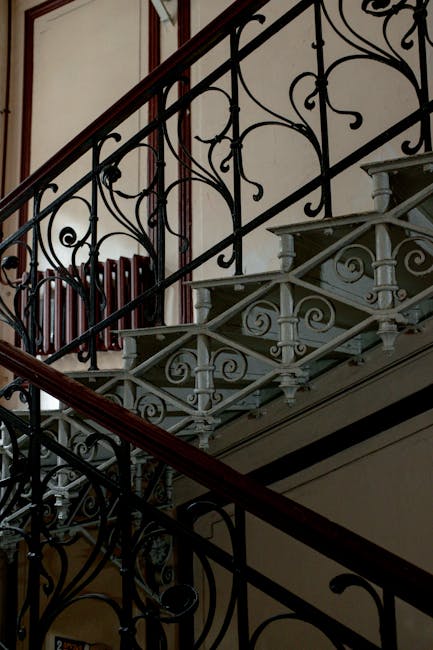
Victorian staircases are beautiful, but they are not forgiving. In Chalk Farm homes, where narrow turns, old timber, painted banisters, and tight landings are part of the charm, one careless move can leave scuffs, dents, chipped plaster, or worse. If you are planning a move, the real challenge is not just getting furniture upstairs. It is getting it there without leaving a mark.
This guide explains avoiding staircase damage in Victorian Chalk Farm homes in plain English: what causes damage, how to prevent it, which moves need extra care, and what to do before anyone lifts a box. Truth be told, a staircase is often the most vulnerable part of the house during a move. Handle that well, and the rest of the day tends to go a lot smoother.
Whether you are moving a sofa, a bed frame, an upright piano, or simply a stack of boxes that looks harmless until you try turning it on the landing, the same principle applies: plan first, lift later. And if you are already in the middle of decluttering and packing, it may help to read about decluttering before your next move and these quick tips for a smooth house move before the heavy lifting starts.
Why Avoiding Staircase Damage in Victorian Chalk Farm Homes Matters
Victorian properties were not designed around modern moving-day furniture. Staircases can be steep, with tight winders, narrow treads, uneven wear, and banisters that have already lived a few lives. In Chalk Farm, that often means a move has to be shaped around the building, not the other way round.
Damage happens quickly. One awkward pivot with a wardrobe, one box scraping a painted stringer, one overconfident descent with a mattress, and you can end up with visible marks that are hard to hide. Wood can split. Paint can chip. Plaster at the edge of the stairwell can crack. Even a light scuff can stand out badly in older homes because the materials and finishes are often softer and more textured.
There is also the knock-on effect. If you damage the staircase, you slow the move, increase stress, and sometimes create a safety issue. People stop, wobble, adjust, and then someone gets out of rhythm. That is when accidents happen. Let's face it, nobody wants to be carrying a chest of drawers while trying to protect a 130-year-old banister with one elbow.
For landlords, homeowners, and tenants alike, staircase damage can create avoidable repair costs and awkward conversations. For families in Victorian terraces or converted flats, it can also damage the sense of care that a home deserves. Moving day should not leave a scar behind.
And in a place like Chalk Farm, where many homes combine period features with compact layouts, a little protection goes a long way. It is one of those jobs where prevention is cheaper, calmer, and frankly kinder than repair.
How Avoiding Staircase Damage in Victorian Chalk Farm Homes Works
The approach is simple in theory and more nuanced in practice: reduce friction, control movement, protect contact points, and make sure the route is properly measured before anything bulky goes up or down. The staircase is treated like a narrow work area, not just a passageway.
In practice, that means four things. First, you assess the route. Second, you prepare surfaces. Third, you choose the right lifting method and team size. Fourth, you move slowly enough to stay in control. That sounds obvious, I know. But on moving day, obvious things are often the first to vanish.
The exact method changes depending on the item. A sofa may need a standing turn on the landing. A wardrobe may need partial dismantling. A bed base may be wrapped and carried in stages. A piano is a different story altogether and should be handled by experienced movers; if that is part of your move, it is worth reading about expertise in piano transportation and the dedicated piano removals Chalk Farm service.
Protection also matters. Stair treads can be covered with non-slip materials, corners can be padded, and bannisters can be wrapped so that stray edges do not bite into paintwork. But protection alone is not enough. If the load is too big, too heavy, or poorly packed, the staircase still takes the hit.
That is why packing discipline matters too. Boxes need to be sealed properly, weighted sensibly, and grouped by size. For more on getting the basics right, see the guide to packing and boxes in Chalk Farm.
Key Benefits and Practical Advantages
Protecting a Victorian staircase is not just about avoiding visible damage. It changes the quality of the whole move.
- Lower repair risk: You reduce the chance of dents, chips, cracked plaster, and scratched woodwork.
- Safer handling: A clear, protected staircase gives movers better footing and better control.
- Less stress: When everyone knows the route and the method, the day feels more manageable.
- Faster decision-making: Difficult items are identified before they become problems on the stairs.
- Better protection of period features: Decorative bannisters, old mouldings, and original stair runners survive the move in better shape.
- Cleaner handover: This is especially useful for tenants who want to leave the property in good order.
There is a quieter benefit too. A careful move tends to keep people calm. You can hear the tape peeling, the soft thud of wrapped furniture, the pause before a turn on the landing. It is a very different experience from the clumsy, rushed sort of moving day that rattles the whole street.
For many people, the staircase is also the point where the move feels physically hardest. Once the first major item clears the stairs safely, the rest becomes more predictable. That confidence matters.
If you are moving several bulky items, our experience is that the best outcome usually comes from combining careful packing with the right lifting approach. A useful companion read here is solo heavy lifting guidance, even if you are not actually moving alone. The principles of balance, grip, and planning still apply.
Who This Is For and When It Makes Sense
This topic is relevant to a lot of people, not just those in large Victorian houses. In Chalk Farm, staircase protection matters for anyone moving through period stairwells, split-level flats, maisonettes, or converted buildings with awkward turns.
It makes particular sense if you are:
- moving furniture through a narrow or winding staircase
- handling fragile period features such as bannisters, skirting, or stair walls
- moving a heavy item that barely fits through the stairwell
- working to a deadline and want to avoid delay from accidental damage
- renting and need to leave the property in good condition
- coordinating a move with children, pets, neighbours, or shared access
It is also useful when the staircase itself is not the only issue. Maybe the front hallway is tight, or the first landing forces a difficult turn. Maybe the walls are freshly painted and show every touch. Maybe the item is a flat-pack piece that arrives assembled and now needs to be coaxed upstairs in one piece. Classic moving-day drama, really.
If your home is a flat conversion, the local moving context can be a bit different. A compact route and limited parking can make the whole job feel more compressed. In that case, information on flat removals in Chalk Farm and small flat moves on Castlehaven Road can be especially relevant.
For students, shared houses, and last-minute moves, the same principles still apply. The items may be lighter, but the stairwell does not care whether the box contains books or plates. It just knows what it can and cannot tolerate.
Step-by-Step Guidance
Here is a practical process you can follow to reduce the risk of staircase damage during a move in a Victorian home.
- Survey the staircase properly. Measure the width, the landing depth, and the tightest turns. Check for low ceilings, protruding handrails, and any worn or loose boards.
- Identify the awkward items first. Sofas, wardrobes, mattresses, appliances, and pianos usually need the most planning. Do not leave them for last.
- Clear the route completely. Remove loose mats, umbrellas, pet items, hallway clutter, and anything that can catch a foot or a wheel.
- Protect the surfaces. Use corner guards, padded blankets, non-slip stair coverings, and tape that will not rip paint when removed.
- Reduce item bulk where possible. Take apart bed frames, remove shelves, empty drawers, and detach handles if needed.
- Wrap the item properly. Use moving blankets, stretch wrap, or mattress covers so that hard edges do not touch the stairwell.
- Assign roles before lifting. One person leads, one guides, and one follows if required. Clear communication is everything.
- Move slowly on corners and landings. Pause before each turn. Reset grip. Breathe. Then continue.
- Check contact points constantly. Watch the walls, bannister, and stair noses, not just the item itself.
- Inspect the staircase after each major move. If something shifted or loosened, stop and adjust the protection before proceeding.
If the load is especially awkward, it may be worth choosing a different route entirely, even if that route is longer. For instance, sometimes a communal entrance, rear access, or ground-floor staging area reduces the risk far more than trying to force everything through a tight front stairwell.
One small but important point: never assume that a big item is "probably fine". Probably fine is not a plan. It is a gamble with old timber.
Expert Tips for Better Results
A few details make a surprisingly big difference.
Use proper padding, not improvised padding
Blankets, foam edge guards, and dedicated stair protectors do a better job than towels or random cardboard. Cardboard can slide, bunch up, or tear. In older houses, the surfaces are often uneven, so stable protection matters more than bulk.
Keep hands clear of pinch points
Victorian staircases create natural squeeze zones at the turn of the stairs and the landing corner. Fingers, wrists, and knuckles are usually the first things to get caught. Slow the movement before those points, not after.
Do a dry run with the largest item
If you are uncertain whether a wardrobe or sofa will clear the turn, test the angle without forcing it. Sometimes a small rotation makes all the difference. Sometimes it simply confirms the piece should be dismantled. Better to know early than get stuck halfway up with everyone pretending not to panic.
Match the team to the load
Two people may be enough for a mattress, but not for a heavy chest of drawers on a narrow staircase. Too few helpers can be just as risky as too many, because people start improvising. That is when damage creeps in.
Protect finishes before you start packing the van
It is easy to focus on the van load and forget the home itself. In practice, staircase protection works best when it starts before the first box is carried in. If you are still deciding how to organise your move, a read through steps to a smooth and clean moveout process can help you sequence things sensibly.
And a small local aside: in older Chalk Farm houses, bannisters often look sturdier than they are. They may sound solid when tapped, but age, previous repairs, and worn fixings mean you should treat them gently. A decorative rail is not a lifting handle. That sounds obvious, but people still grab them in a hurry. Human nature, I suppose.

Common Mistakes to Avoid
Most staircase damage during moves comes from a handful of repeated mistakes.
- Skipping measurements: Guessing the fit is how items jam on the landing.
- Carrying too much at once: One awkward stack can obstruct vision and throw off balance.
- Forcing the turn: If an item does not clear naturally, forcing it usually creates damage.
- Ignoring the walls: Movers often watch the item but forget the stair edge or banister behind it.
- Using no protection at all: Even one short trip can leave marks on painted surfaces.
- Starting without a plan: People end up pausing on the stairs while deciding what to do next, which is awkward and risky.
- Leaving loose clothing or shoes in the way: A trailing sleeve or untied lace is enough to cause a trip.
Another quiet mistake is underestimating the emotional pressure. On moving day, everyone wants to get it done. That urgency is understandable. But speed and care are not the same thing. Not even close.
Sometimes a move goes wrong because the team is too eager to save a few minutes. Oddly enough, taking an extra five minutes to strip a bed frame or wrap a bannister can save an hour of repairs later. That is just how it goes.
Tools, Resources and Recommendations
You do not need a warehouse of specialist equipment, but the right basics help a lot.
| Tool or Resource | What It Helps With | Best Used For |
|---|---|---|
| Moving blankets | Padding furniture edges and staircase contact points | Sofas, wardrobes, tables, and bannisters |
| Corner guards | Protecting sharp wall edges and stair turns | Landing corners and narrow stairwells |
| Non-slip stair coverings | Improving footing for people carrying loads | Steep Victorian steps |
| Mattress bags | Keeping bulky soft items clean and easier to grip | Bedrooms and loft conversions |
| Furniture straps | Improving control and balance during lifting | Large or awkward items |
| Disassembly tools | Reducing the size of items before they hit the staircase | Beds, shelves, wardrobes, desks |
For many house moves, good packing advice is just as valuable as lifting equipment. The furniture needs to arrive safely, but so does everything inside it. If you are shifting a lot of household items, the information in moving your bed and mattress can be useful when planning bulky soft goods.
If you are comparing help options, you may also want to look at services overview, man with a van Chalk Farm, and house removals Chalk Farm. Those pages can help you judge which type of support fits the move, especially if the staircase is the main challenge.
Law, Compliance, Standards, or Best Practice
There is no single Victorian-staircase rulebook, but there are sensible UK best-practice principles that matter during a move. The main duty is to work safely, avoid foreseeable damage, and take care around any property features that could be harmed by careless handling.
In practical terms, that means using a safe system of work: assessing the route, protecting surfaces, lifting with control, and not taking unnecessary risks. If multiple people are involved, everyone should know what they are doing before the first item moves. That is standard good practice, even if nobody says the words out loud.
For older homes, there is also a preservation mindset. Original timber, plaster, and decorative features can be more delicate than modern materials. If the staircase is listed or part of a heritage-sensitive property, extra caution is sensible, and any structural concerns should be handled carefully rather than guessed at.
Insurance is another area where expectations matter. You should understand what cover applies, what is excluded, and whether the moving method itself affects protection. If you want to see how safety and cover are approached more generally, the page on insurance and safety is a useful starting point.
And yes, paperwork can feel dull when you are staring at a staircase and a sofa. But proper planning is part of the job. It saves arguments, saves time, and tends to save paintwork too.
Options, Methods, or Comparison Table
There is no perfect method for every Victorian staircase. The best option depends on the item, the layout, and how much risk you are willing to tolerate. Here is a simple comparison.
| Method | Best For | Pros | Watch Out For |
|---|---|---|---|
| Careful manual carry | Light to medium items | Flexible, quick, low equipment needs | Depends heavily on skill and clear communication |
| Dismantle before moving | Wardrobes, beds, shelving | Reduces size and collision risk | Needs time, tools, and organised parts |
| Protected stair carry | Most domestic moves | Balances speed and protection | Only works well if padding is secure |
| Specialist move handling | Pianos, antiques, large awkward items | Higher control, better safety margin | May need extra planning and coordination |
| Alternative access route | Homes with tight internal stairs | Can reduce pressure on the staircase itself | May depend on property access and permissions |
For lighter domestic moves, a simple protected carry may be enough. For larger furniture, it often makes sense to combine dismantling with surface protection. For more specialised items, especially anything heavy or valuable, you are usually better off leaning on experienced help rather than improvising. That is not being cautious for the sake of it; it is just common sense with better posture.
Case Study or Real-World Example
A fairly typical Chalk Farm scenario: a family moving out of a Victorian terrace with a steep staircase and a curved turn halfway up. The main problem item was a three-seater sofa, which looked manageable from the front door but became a different beast on the landing. The banister had fresh paint, and the stair wall was already showing signs of wear from years of daily use.
Instead of pushing through and hoping for the best, the movers paused. They measured the landing, wrapped the stair corner, removed the sofa feet, and shifted the item at a slight angle rather than keeping it flat. That small change made the difference. No scraping, no rushed pull, no shouting up the stairs, which is always a good sign.
They also pre-packed the rest of the smaller items so the staircase stayed clear. Boxes were grouped by size and weight, and heavier boxes were kept low and easy to grip. By the end of the move, the stairs were intact and the family could hand the keys over without worrying about visible damage.
The useful lesson? Most staircase damage is not caused by one dramatic event. It is caused by several small decisions made too quickly. Change the decisions, and the risk drops sharply.
For moves where the timing is tight, or the property access is awkward, some people also look at same day removals Chalk Farm and man and van Chalk Farm as practical ways to keep the day moving without chaos.
Practical Checklist
Use this checklist before anything heavy goes near the stairs.
- Measure the staircase, landing, and any tight turns.
- Check for loose boards, splintered rails, or fragile paintwork.
- Remove hallway clutter, mats, shoes, and anything trip-prone.
- Wrap bannisters, wall corners, and stair edges with suitable protection.
- Dismantle bulky furniture where possible.
- Pack boxes evenly and avoid overfilling them.
- Assign one person to guide movement and keep communication clear.
- Pause before every corner or landing turn.
- Keep the staircase dry and free from loose plastic or tape.
- Inspect for marks or movement after each major item.
One more thing: if the item looks too large when you are carrying it to the foot of the stairs, it probably is. You do not need to be heroic about it. Most of the time, a better route or a smaller team strategy beats brute force.
For some households, especially those juggling multiple rooms and storage, it can also help to think beyond the move date itself. A short-term option like storage in Chalk Farm can reduce staircase pressure by letting you move in stages rather than all at once.
Get a free quote today and see how much you can save.
Conclusion
Avoiding staircase damage in Victorian Chalk Farm homes is really about respect: respect for the property, respect for the process, and respect for the people carrying the load. The right measurements, the right protection, and a calm pace can spare you a lot of hassle later.
There is nothing glamorous about wrapping bannisters or pausing on a landing to reset your grip. But those small, careful moments are what keep original features intact and moving day under control. And in a home with character, that matters more than people sometimes realise.
If you plan the route, protect the surfaces, and choose the right level of help, the staircase does not have to be the problem. It can just be part of the journey. A tricky part, sure. But manageable.
And that, honestly, is what a good move should feel like: not perfect, just properly looked after.